
How to Choose Paint Colors Based on Natural Light (So Your Walls Don’t Judge You)
Paint colors natural light are often misunderstood until you’ve already painted the room and your wall looks at you like “this is on you.” No, the paint didn’t betray you; the light just decided to be honest. In NYC, natural light has a unique skill: making great paint choices look questionable once they hit your actual walls.
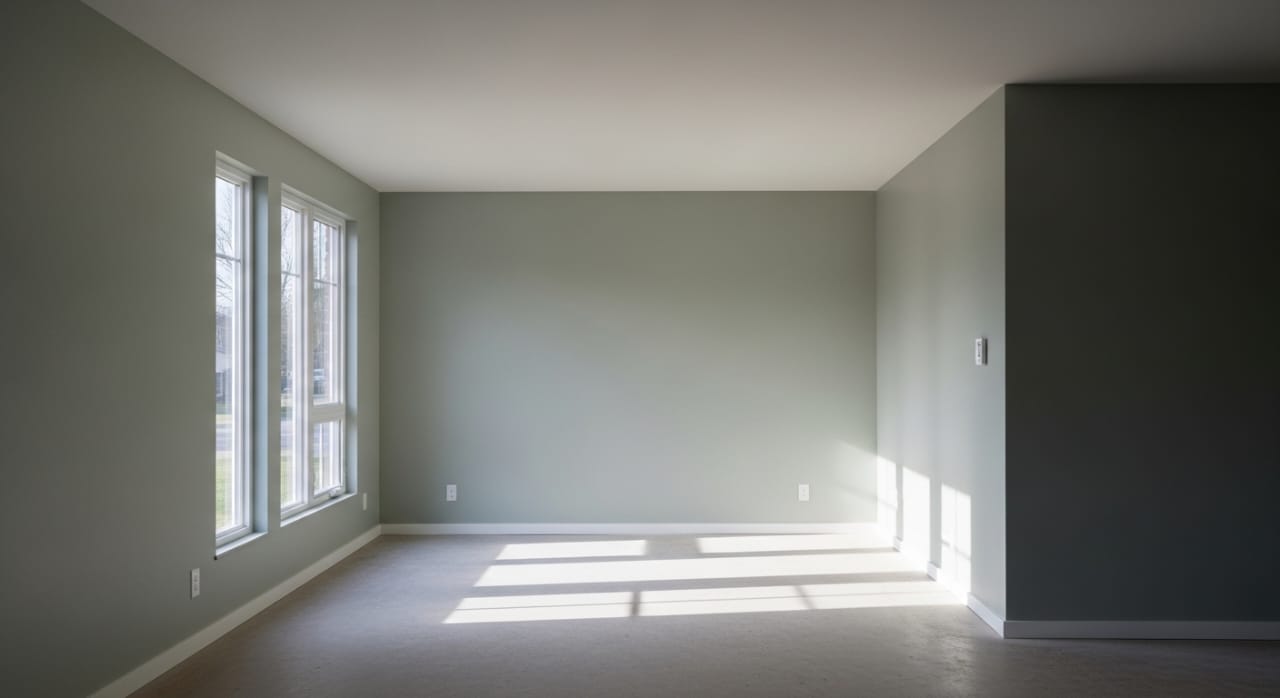
Natural Light Is the Real Boss of Your Walls
You can buy the most expensive paint on Earth. However, if the light disagrees, it will humble you immediately. In fact, natural light actually changes several factors:
- Color temperature.
- Warmth vs coolness.
- Depth and softness.
- Overall mood of the room.
Consequently, that is why a “perfect white” can suddenly look gray and tired, yellow and stressed, or emotionally unavailable. Paint stays the same. Light does not.
North-Facing Rooms: Cool Light, Zero Mercy
North-facing rooms get indirect, cool light all day. Therefore, choosing the right paint colors natural light affects is crucial here. Without warmth, these walls quietly judge your life choices.
Best paint colors for north-facing rooms:
- Warm whites and soft beige.
- Warm greige and light taupe.
Colors to avoid: Cool grays, Blue-based whites, or anything described as “crisp.”
South-Facing Rooms: Bright Light With No Filter
In contrast, south-facing rooms get strong, consistent daylight. While colors work beautifully here, there is a hidden danger: warm colors can turn too warm. Not cozy. Just… intense.
Colors that work beautifully:
- Neutral whites and soft grays.
- Muted blues and light greens.
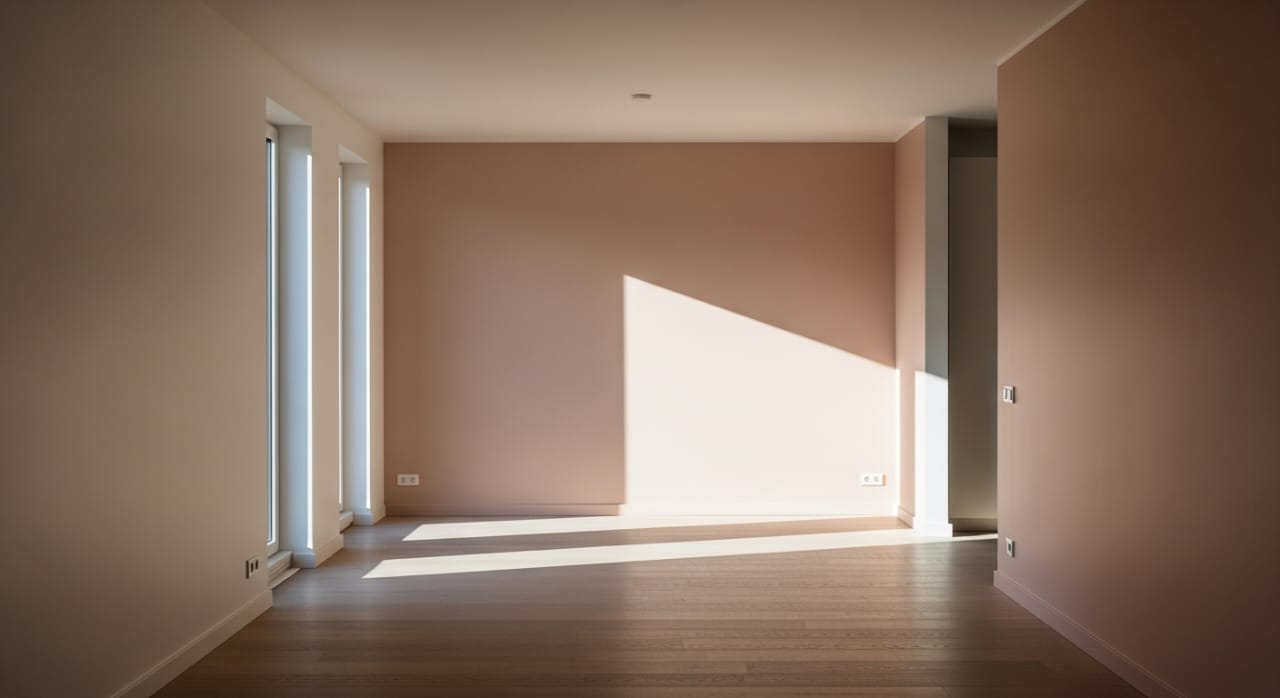
East and West Exposure: From Morning Charm to Drama
East-facing rooms shine early and calm down later. For these spaces, smart choices include balanced neutrals and soft greige. Conversely, west-facing rooms save their personality for the afternoon. In this case, earth tones and muted shades handle the drama best, whereas bright whites can feel like a spotlight pointed at your soul.
The Most Expensive Mistake Homeowners Make
Choosing paint without considering light is like buying clothes without trying them on or choosing sunglasses at night. Consequently, what professionals actually do is a simple four-step process:
- First, test samples on real walls.
- Next, observe morning, afternoon, and night.
- Then, wait.
- Finally, decide calmly.
If you’re curious why light changes color, Sherwin-Williams explains it clearly here.
The Timeless Rule: Light first. Color second. Never backwards. Trends change, but sunlight doesn’t care. Respect the light, and you won't repaint out of regret.
Want Paint Colors That Never Go Out of Style?
Once you understand light, choosing timeless colors becomes easy. Furthermore, we recommend reading our guide on shades that age gracefully or learn How to Paint Interior Walls with a Professional Finish.
Final Thoughts
Knowing how to choose paint colors natural light doesn’t make you a designer. Instead, it makes you someone who makes smart investments. Respect the light, test the color, and remember: if a wall looks weird… it’s probably not you.
See you in the next article.