
How to Paint Interior Walls With a Professional Finish
Learning how to paint interior walls with a professional finish sounds like something only experts in clean white overalls can pull off—calm, focused, and immune to stress. However, the truth is that you can absolutely do it too, even if your last project ended with mild emotional damage.
In fact, painting a wall looks easy until you actually start. Suddenly, the roller is dripping, and the wall starts silently judging your life choices. Relax; it’s not a lack of talent. Consequently, the problem is usually a lack of method. In this guide, we will teach you the best way to paint interior walls without the stress.
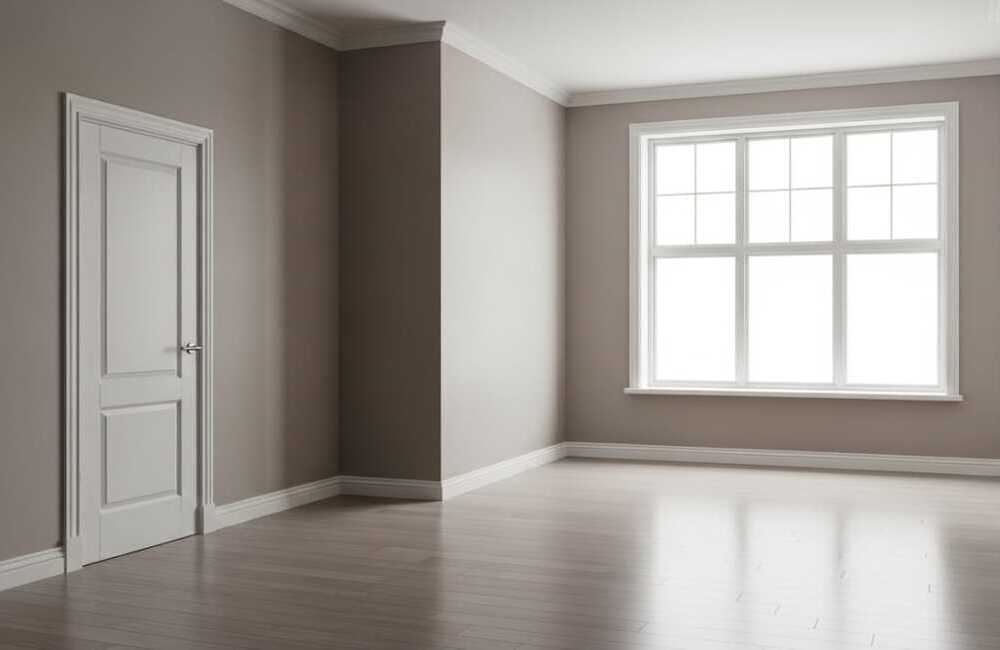
1. Preparation: The Step Everyone Regrets Skipping
Preparation is the foundation of any great project. If you skip this, your wall might end up looking like abstract art. Therefore, you must clean the wall properly. Grease, dust, and fingerprints are invisible until the paint decides to highlight them proudly.
- Use a damp cloth for most areas.
- Use mild soap for high-traffic or kitchen walls.
- Fix imperfections first; paint will only make holes more visible.
Primer: The Unsung Hero
Primer is like a seatbelt: not exciting, but essential. It helps even out color, hide repairs, and prevent stains. Even major brands recommend it. If you’re curious why, Sherwin-Williams explains its importance clearly.
2. Choosing Tools to Paint Interior Walls
You don’t need Hollywood-level equipment, but avoid bargain-bin specials. For example, a decent angled brush gives you clean edges and fewer angry comments out loud. Furthermore, the type of roller matters:
- Smooth walls: Use a 3/8” nap.
- Textured walls: Use a 1/2” nap.
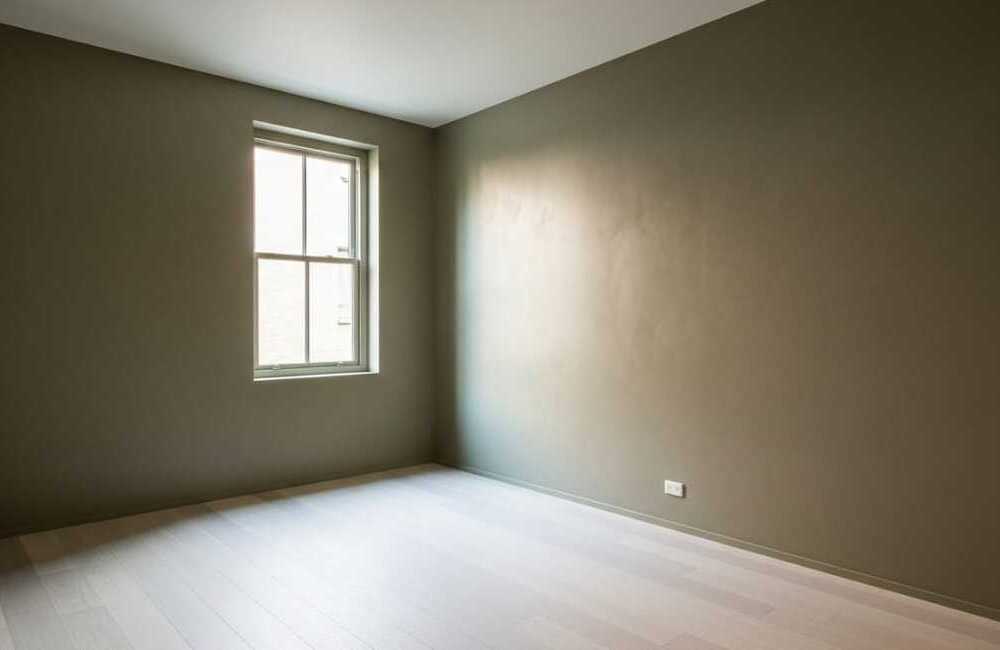
3. The Correct Painting Order
This isn’t personal preference—it’s physics. To avoid painting twice, follow this order: Ceiling, then Trim, then Walls. Gravity is not negotiable, and starting from the top prevents drips from ruining finished surfaces.
4. Technical Tips to Paint Interior Walls Like a Pro
First, start with the corners and edges (cutting in). Next, roll before those edges dry to avoid permanent lines. We recommend using the classic “W” pattern for even distribution. Most importantly, remember that two thin coats beat one thick disaster.
Pro Tip: Paint dries quickly, but curing takes days. During the first week, don't scrub the wall or push furniture against it.
Common Mistakes to Avoid
In conclusion, the problem is rarely the color; it is usually human impatience. Avoiding these errors will guarantee success:
- Skipping the cleaning and prep stage.
- Buying low-quality brushes that leave souvenirs.
- Believing "one coat is enough."
Is a professional finish possible? Absolutely. It just requires order, patience, and the right method. Since that wall will look at you every single day, you might as well make it look good. Taking your time to paint interior walls properly is the best investment you can make for your home.
Ready to pick your colors? Check out our guide on Modern Interior Paint Colors to find tones that never go out of style.
See You in the next post…